Stuart isn’t the first character you’d pick to save the universe. In The Big Bang Theory, he was the quiet, perpetually anxious owner of the comic book store—a background figure defined by social awkwardness and melancholy charm. He wasn’t cracking quantum mechanics equations or building warp drives. He was selling Funko Pops and eating takeout alone on Christmas. Now, in the surprise new spinoff Stuart Fails to Save the Universe, that very inadequacy isn’t a flaw—it’s the premise.
The first official stills and teaser footage have just dropped, confirming long-rumored plans for a series that reimagines the overlooked character as an accidental cosmic hero. Set in a slightly heightened version of the TBBT universe, the show follows Stuart after a bizarre particle collision at Caltech grants him fragmented, unreliable access to multiversal knowledge—just enough to realize the universe is collapsing, but not enough to understand how to stop it.
From Comic Book Clerk to Reluctant Protagonist
The genius of Stuart Fails to Save the Universe lies in subverting superhero tropes. Most origin stories celebrate brilliance, confidence, or physical prowess. Stuart’s power isn’t mastery—it’s miscommunication. His multiversal insights arrive as half-remembered dreams, pop culture references, and garbled text messages from alternate versions of himself. One episode teaser shows him frantically scribbling “The red one... but not the Spider-Man one?” on a napkin after waking up sweating.
Executive producer Steven Molaro, who led The Big Bang Theory through its final seasons, calls Stuart “the ultimate anti-genius.” “He’s not Leonard with his precision, or Sheldon with his ego. He’s the guy who overhears the smart people and remembers the wrong part. Now, what if the wrong part is all we have?”
This reversal resonates in an era where audiences are fatigued by flawless saviors. Stuart’s vulnerability—his fear of failure, his longing for connection, his tendency to self-sabotage—makes him oddly relatable in a cosmic crisis. He doesn’t want to be chosen. He just wants to keep the store open and maybe ask Penny’s cousin out without panicking.
First Look: Visual Tone and Expanded Universe
The first images confirm a stylized aesthetic that bridges TBBT’s grounded sitcom world with surreal sci-fi. One key still shows Stuart standing in the middle of a glowing rift in the floor of the comic book store, Detective Comics #27 floating midair as pages flip on their own. Another features him sitting across from a shimmering, holographic version of Sheldon (voiced by Jim Parsons in archival and newly recorded lines), who sighs: “You’ve accessed the interdimensional array using a Bluetooth speaker and a toaster oven. That’s not science. That’s vandalism.”
Visually, the show leans into comic book surrealism—think Everything Everywhere All At Once meets Community’s paintball episodes. Reality glitches appear as cartoonish wobbles, text pop-ups, and abrupt genre shifts. In one scene, the universe resets into a 1950s sitcom, and Stuart, now in a cardigan and pipe, mutters, “Oh no… not the canned laughter again.”
The art direction reflects Stuart’s inner world: cluttered, nostalgic, and emotionally charged. His apartment walls are covered in framed posters of obscure sci-fi films and incomplete superhero team lineups. Even the color grading favors muted tones that briefly flare into neon during multiverse breaches—visual metaphors for Stuart’s suppressed potential.
Supporting Cast: Old Faces, New Stakes
While Stuart is the anchor, the show smartly reintroduces familiar characters—not as mentors, but as complications.
Leonard (Johnny Galecki) appears in early episodes as a skeptical voice of reason. Now a tenured professor, he dismisses Stuart’s claims as “stress-induced delusions with a side of comic book poisoning.” His wife, Penny (Kaley Cuoco, in guest appearances), is more empathetic but worried about Stuart’s mental health. “You used to just cry quietly behind the counter,” she says. “Now you’re saying the universe ends if we don’t eat Chinese food on Tuesday?”
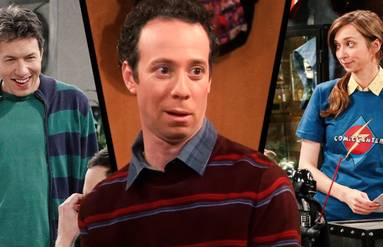
Howard (Simon Helberg) and Raj (Kunal Nayyar) return in recurring roles, now running a low-budget aerospace startup. They reluctantly help Stuart build makeshift devices based on his visions—like a “Cosmic Tuning Fork” cobbled together from a kazoo and a NASA antenna. Their dynamic brings back the old group’s chemistry but with the weariness of middle age. “I spent my life proving I wasn’t just the guy without a PhD,” Howard says. “Now I’m helping a comic book guy stop entropy with a garage sale budget. Progress?”
Amy Farrah Fowler (Mayim Bialik) appears via video call as a neuroscientist studying “anomalous cognition in socially isolated males.” In one dryly funny scene, she analyzes Stuart’s brain scan and concludes, “There’s increased activity in the fear and regret centers. Also, he really likes The Dark Knight Returns. Not conclusive, but notable.”
Why This Spinoff Works
When Others Have Failed
Many spinoffs fail because they isolate a character from the ecosystem that made them funny or meaningful. Joey collapsed because the charm of Joey Tribbiani relied on his contrast with the rest of the Friends ensemble. Elmo’s World worked because it embraced its absurdity and target audience.
Stuart Fails to Save the Universe succeeds by doing three things right:
- It doesn’t overempower the character. Stuart remains emotionally stunted, financially unstable, and socially awkward. His power doesn’t fix him—it overwhelms him.
- It expands the universe, not just the cast. The story isn’t just about Stuart doing solo missions. It explores ripple effects—how a failing comic shop becomes ground zero for interdimensional leaks, how minor TBBT side characters (like Mrs. Wolowitz’s ghost or the comic book store’s lone customer) react to reality unraveling.
- It respects the original tone while evolving. The show keeps the rapid-fire dialogue and nerd references of TBBT, but trades lab coats for existential dread wrapped in humor. Jokes about failed online dating blend with warnings about entropy—because for Stuart, both feel equally catastrophic.
Practical Storytelling Lessons from the First Episodes
Early scripts and leaked outlines reveal narrative techniques worth studying:
- Use of unreliable narration. Viewers only know as much as Stuart does—which is never enough. This builds tension without requiring complex exposition.
- Emotional stakes over spectacle. The universe might end, but Stuart’s real fear is dying unknown. One cold open shows him recording a video message: “If anyone finds this… I always liked you, Denise, from the pharmacy.”
- Low-budget solutions to high-concept problems. The show avoids CGI bloat. Instead of spaceships, the threat arrives as corrupted Wi-Fi signals and disappearing Wi-Fi names. The “final battle” may involve rebooting a multiversal router using a 2010 MacBook.
This approach makes the series accessible. You don’t need a physics degree—just a memory of feeling like nothing you do matters. Then watch as that very nobody becomes the only one who might fix everything.
What the Spinoff Reveals About Modern Sitcom Evolution
Stuart Fails to Save the Universe reflects a broader shift in TV comedy: the rise of the imperfect protagonist in high-stakes settings. Think Abbott Elementary, The Bear, or Reservation Dogs. These aren’t shows about heroes—they’re about people barely holding on, trying to do good in systems stacked against them.
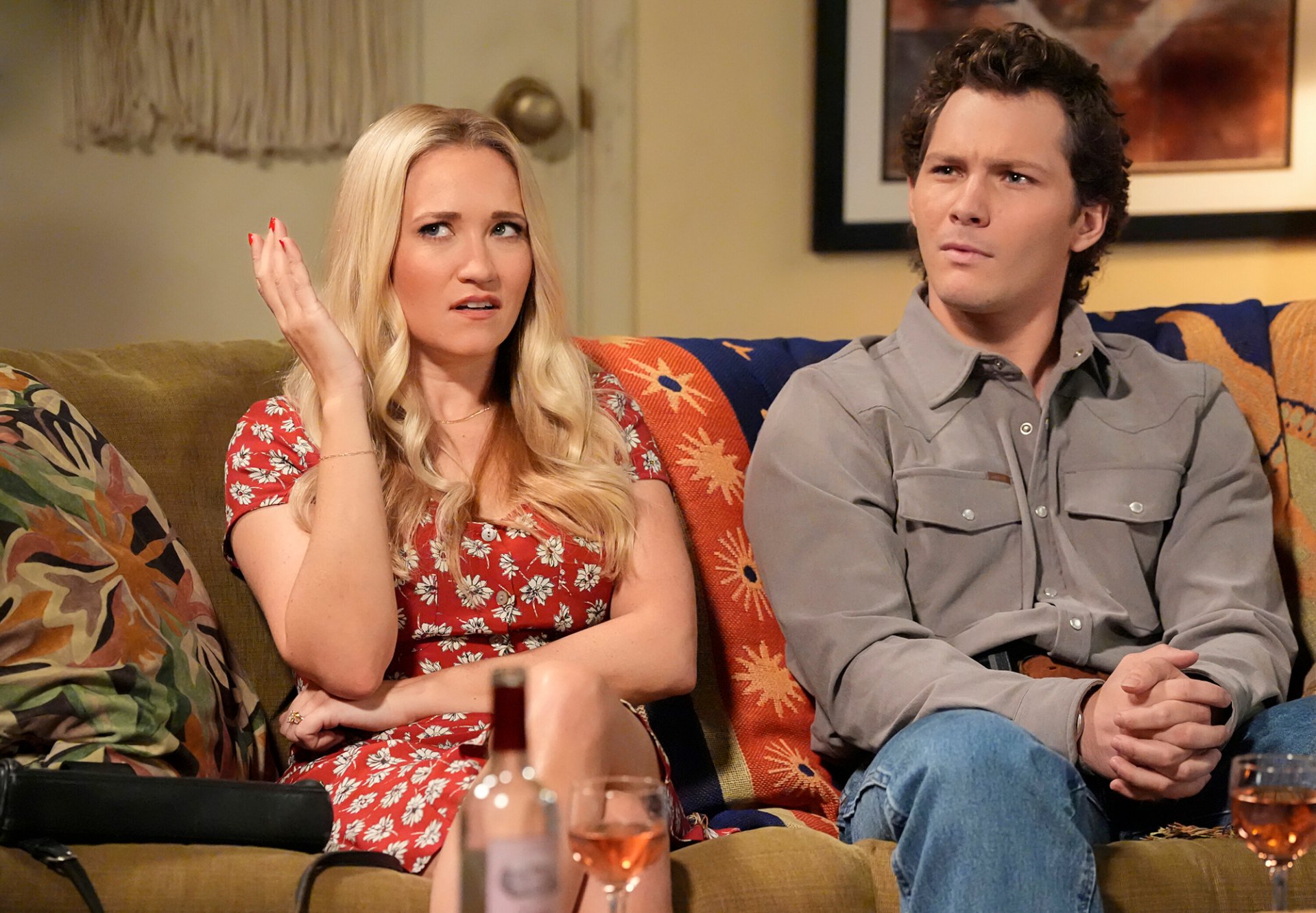
Stuart fits perfectly. His struggle isn’t against aliens or dark matter—it’s against his own self-doubt. The universe fails not because of villains, but because no one believed a quiet guy from a comic store could matter.
CBS is clearly betting that audiences crave this blend of heart and absurdity. Early test screenings showed strong response among viewers aged 25–54—a demo that grew up with TBBT and now identifies more with Stuart’s anxiety than Sheldon’s certainty.
The Bigger Picture: Legacy and Longevity
This isn’t just a nostalgia grab. It’s a reinterpretation. By moving Stuart to the center, the spinoff asks: who gets to be the hero? And what if saving the world doesn’t require brilliance—just showing up, again and again, even when you’re scared?
The first look tells us this show won’t take itself too seriously. But it will take Stuart seriously. And in doing so, it honors the quiet people in all of our lives—the ones who listen more than they speak, who remember the obscure trivia, who show up with snacks when things fall apart.
For fans of The Big Bang Theory, this isn’t a replacement. It’s a remix. A love letter to the background characters who made the world feel lived-in. And maybe, just maybe, proof that even when the universe is ending, the underdog gets a theme song.
Watch for Stuart Fails to Save the Universe this fall on CBS and streaming platforms. Bring your sense of humor, your old comic books, and a flashlight. Things are about to get weird.
What is Stuart Fails to Save the Universe about?
The spinoff follows Stuart, the former comic book store owner from The Big Bang Theory, who gains fragmented knowledge of multiversal collapse and must prevent disaster despite his anxiety, lack of confidence, and minimal scientific training.
Is Jim Parsons involved in the spinoff?
Yes. Jim Parsons reprises his role as Sheldon Cooper through archival footage and newly recorded voiceovers, appearing as a holographic guide who alternates between mocking and reluctantly helping Stuart.
Will other original TBBT cast members appear?
Johnny Galecki (Leonard), Kaley Cuoco (Penny), Simon Helberg (Howard), Kunal Nayyar (Raj), and Mayim Bialik (Amy) all appear in guest or recurring roles, reconnecting with Stuart as his mission unfolds.
How does the show balance comedy and sci-fi?
It uses humor rooted in Stuart’s inadequacy and pop culture references to offset high-concept sci-fi. The tone blends surreal visuals with grounded emotional stakes, keeping the story relatable.
Is the spinoff canon to The Big Bang Theory?
Yes. The series is set several years after TBBT’s finale and references past events, character developments, and locations like Caltech and the comic book store.
Where can I watch the first look footage?
Official teasers and stills are available on CBS’s YouTube channel and the network’s website. A longer preview will air during the CBS summer upfronts.
Does the show require knowledge of The Big Bang Theory?
While familiarity enhances the experience, the spinoff includes enough context for new viewers. The story focuses on Stuart’s personal journey, making it accessible even without deep TBBT knowledge.
FAQ
What should you look for in Stuart Fails to Save the Universe First Look Revealed? Focus on relevance, practical value, and how well the solution matches real user intent.
Is Stuart Fails to Save the Universe First Look Revealed suitable for beginners? That depends on the workflow, but a clear step-by-step approach usually makes it easier to start.
How do you compare options around Stuart Fails to Save the Universe First Look Revealed? Compare features, trust signals, limitations, pricing, and ease of implementation.
What mistakes should you avoid? Avoid generic choices, weak validation, and decisions based only on marketing claims.
What is the next best step? Shortlist the most relevant options, validate them quickly, and refine from real-world results.